News at the Intersection of Mental Health and Technology
A caregiver app helps with distress—not every symptom
WEDNESDAY, AUGUST 26, 2026 • A 4-MINUTE READ
TherapyTech
DAILY
News at the Intersection of Mental Health and Technology
Good morning.
Today’s edition looks at a caregiver-support app, how young people assess mental-health advice on TikTok, and a dementia-care game prototype—followed by an analysis of simulated AI personas in psychology research.
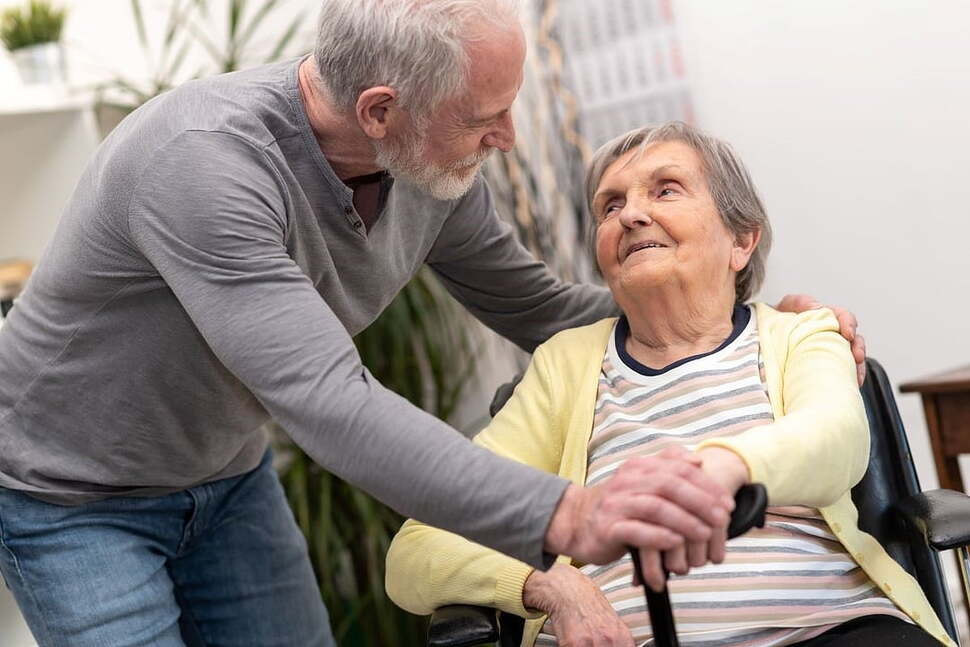
A randomized study of 262 family caregivers compared immediate and delayed access to WeCareAdvisor, an app that helps users identify contributors to difficult behaviors and select non-drug strategies.
Key points:
The app provides tailored strategies, resources and practical tips.
Researchers reported lower caregiver distress and improved well-being, but no significant reduction in the patients’ behavioral symptoms.
Why this is important:A tool can still be valuable when it improves a caregiver’s ability to cope, but the outcome should not be described as a treatment for dementia or its symptoms.
A qualitative UK study asked 86 young people how they assess mental-health advice on TikTok. Participants weighed credentials and relatability, while describing a feed that often discouraged deliberate verification.
Key points:
The interviews illuminate how participants judge credibility; they do not establish the effects of particular videos.
The sample included young adults as well as teenagers and should not be generalized to every user.
Why this is important:Media literacy interventions need to account for the speed and design of social feeds, not merely tell young people to verify information after it appears.
SAP describes a prototype developed with Memory Lane Games and EY that uses personal memories to create customized activities for people living with dementia.
Key points:
The concept aims to turn familiar people, places and experiences into prompts for engagement.
The article is a company account of a prototype and does not provide clinical evidence of benefit.
Why this is important:Personalization may make an activity more meaningful, but product demonstrations should remain distinct from evidence about cognition, distress or quality of life.
What the author argues: Eliot argues that very large collections of AI-generated personas can help researchers explore hypotheses, but simulated respondents are not representative human participants. Their strongest use is in hypothesis generation; claims about people still require validation with people.