News at the Intersection of Mental Health and Technology
Voice AI enters a supervised care pilot
THURSDAY, AUGUST 27, 2026 • A 4-MINUTE READ
TherapyTech
DAILY
News at the Intersection of Mental Health and Technology
Good morning.
Today’s edition covers a supervised voice-AI pilot, a California investigation of youth chatbot safety, a study of first-person mental-health narratives, and a school-support service from SoftBank.
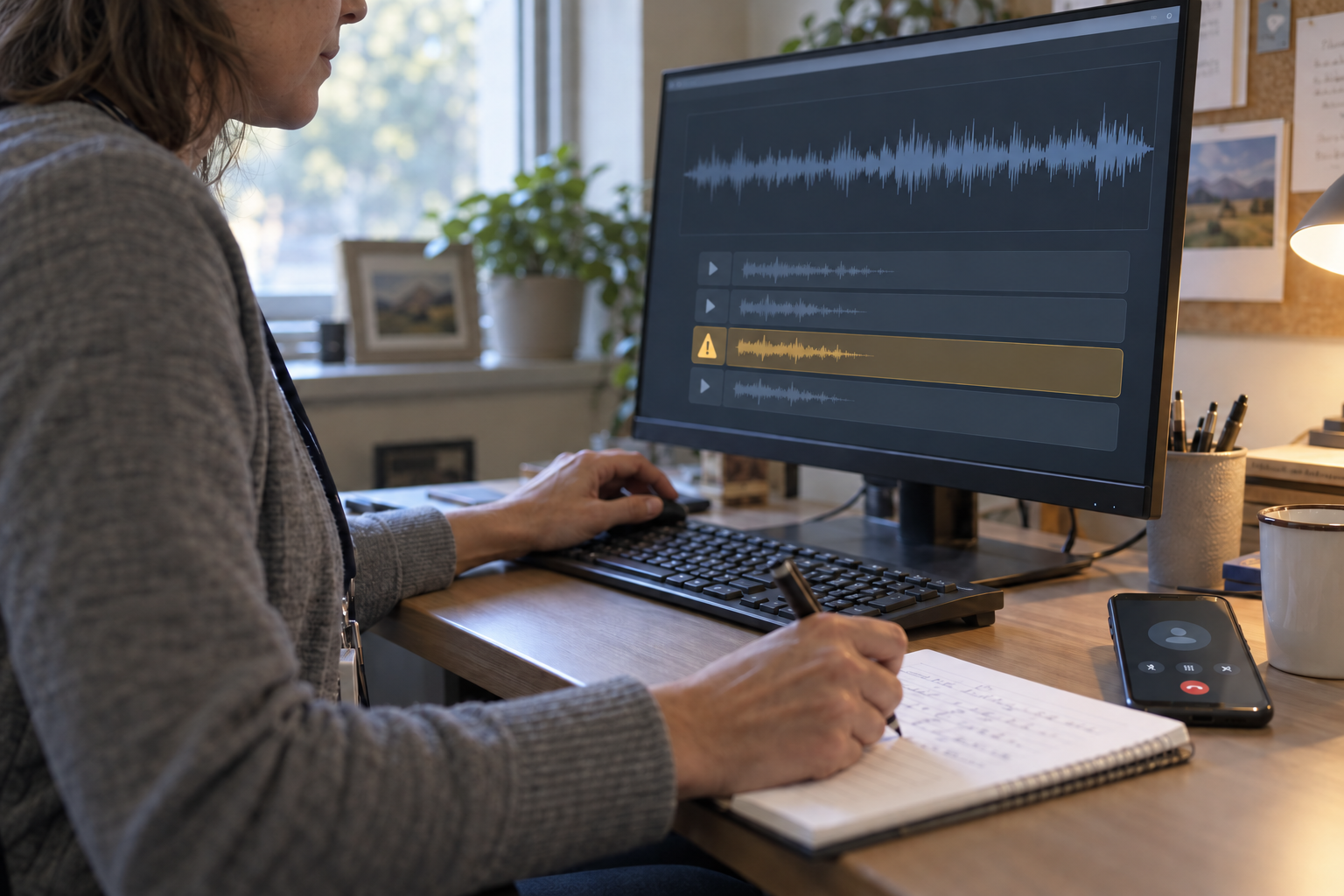
Limbic announced a pilot of a voice-based AI system intended to support mental-health care under human supervision.
Key points:
The deployment is described as a pilot rather than a completed clinical evaluation.
Human oversight is part of the announced care model.
Why this is important:Voice interfaces can lower barriers to engagement, but the pilot needs transparent measures for safety, escalation, clinical outcomes and the role of supervising professionals.
California’s attorney general announced an investigation into Meta’s AI chatbot practices and the safeguards applied when young people use the systems.
Key points:
An investigation is a fact-finding process, not a finding that the law was violated.
The inquiry focuses attention on disclosures, design choices and youth protections.
Why this is important:Regulatory scrutiny can clarify the minimum safeguards expected of general-purpose conversational systems when foreseeable use includes emotional or mental-health support.
Researchers analyzed first-person Reddit narratives to study how people describe mental-health experiences and how AI might help organize those accounts.
Key points:
Public online narratives can reveal language and themes that structured surveys may miss.
Reddit users are not representative of the broader population, and public availability does not eliminate privacy concerns.
Why this is important:Narrative datasets can support discovery, but responsible use requires careful attention to consent, context, representativeness and the limits of automated interpretation.
Telecompaper reports that SoftBank’s Mentari service aims to help teachers identify students who may need emotional support. An initial free offering is intended to evaluate the service; the saved brief does not establish effectiveness.
Key points:
The initial offering is free and intended to evaluate the service.
The report does not establish clinical effectiveness.
Why this is important:The proposal puts screening support in teachers’ hands, making evaluation, safeguards and appropriate referral pathways central to whether it helps students.