News at the Intersection of Mental Health and Technology
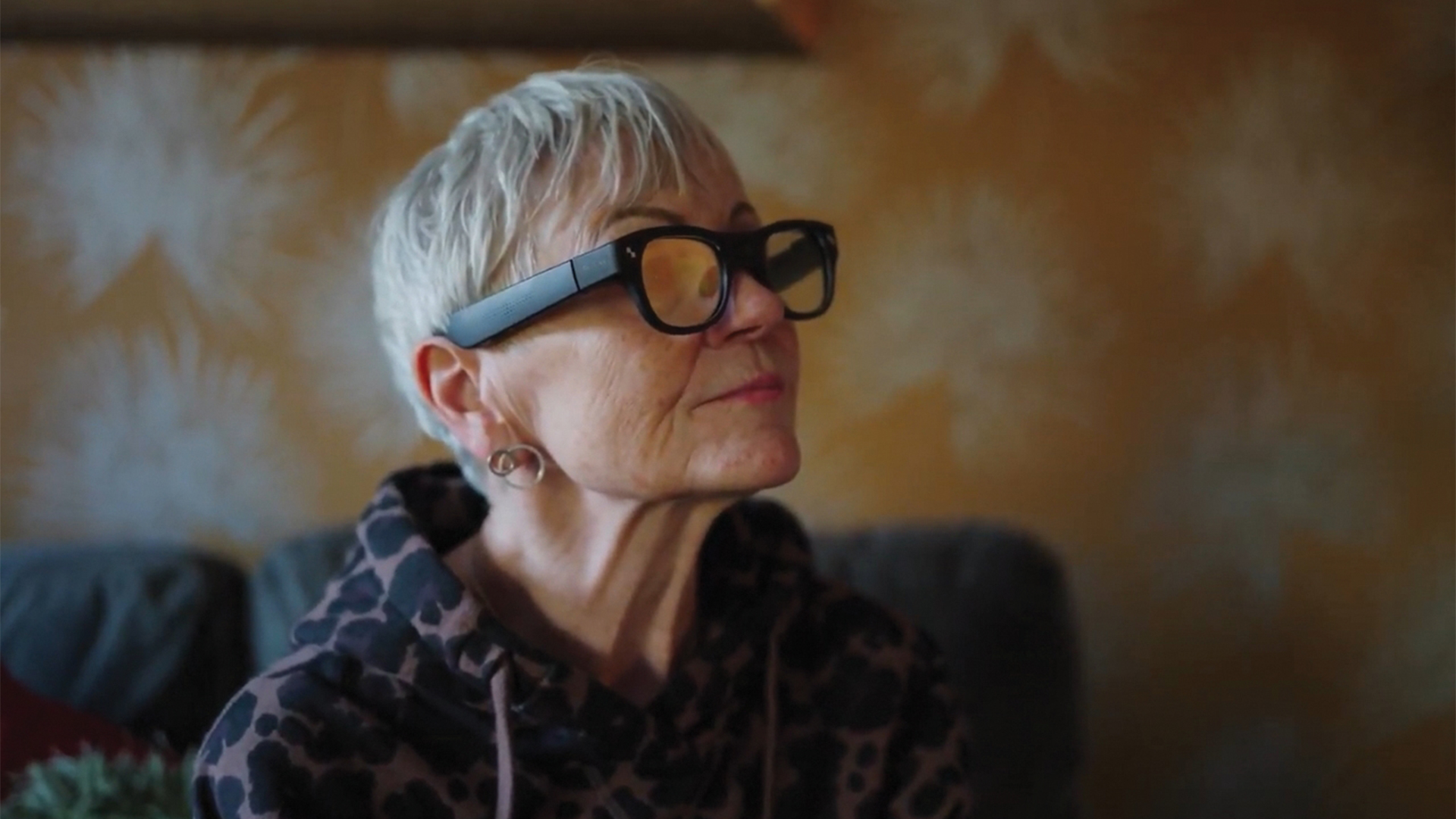
Smart glasses aim to help people with dementia live independently
WEDNESDAY, SEPTEMBER 2, 2026 • A 4-MINUTE READ
TherapyTech
DAILY
News at the Intersection of Mental Health and Technology
Good morning.
Today’s edition looks at assistive smart glasses for dementia, the substitution of a chatbot for live psychology tutorials, and the use of AI in drug screening—followed by two perspectives on AI-assisted mental-health support.
CrossSense has developed AI-powered smart glasses with an assistant named Wispy to help people with early-stage dementia complete everyday tasks. The device identifies objects and provides step-by-step audio and text instructions.
Key points:
A preliminary, non-peer-reviewed study found that the glasses increased correct identification of household items from 46% to 82%.
The device remains in testing, with a market launch anticipated for early next year.
Why this is important:Assistive technology can support independence, but early performance findings are not the same as evidence that the device is safe, usable and effective in daily life over time.
Macquarie University in Australia has replaced live academic tutorials with an AI chatbot for two mandatory online psychology subjects. A “Virtual Peer” now guides students, while human tutors offer optional feedback sessions.
Key points:
The subjects were previously offered with in-person classes and are online-only for the second semester.
The National Tertiary Education Union is seeking AI protections in workplace agreements amid concerns about staff roles and educational quality.
Why this is important:Using AI inside psychology education raises questions about what should be automated, what requires human instruction and how institutions should evaluate learning outcomes before expanding the model.
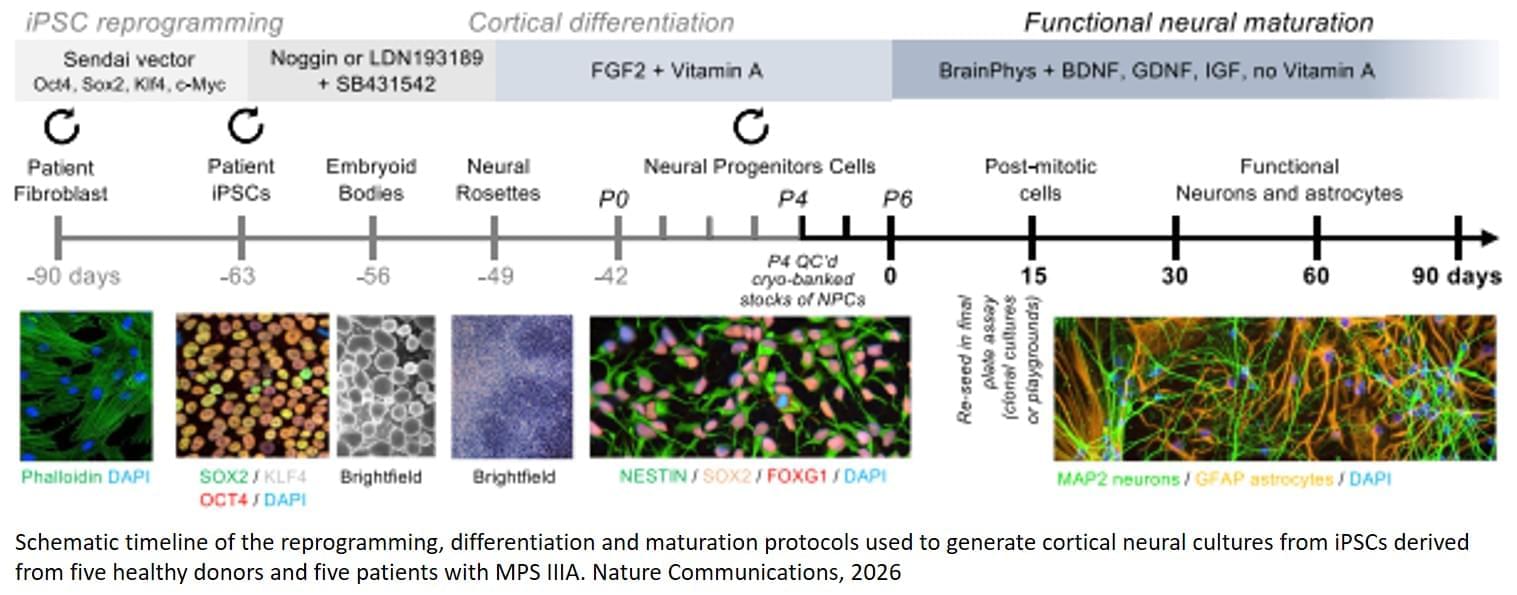
Researchers developed a method to screen approved drugs for potential treatments for Sanfilippo syndrome, a rare form of childhood dementia. The approach combines patient-derived brain cells, advanced imaging and AI to identify compounds associated with healthier cell behavior.
Key points:
The laboratory model uses cells derived from patients rather than relying only on animal models.
The screening result identifies candidates for further study; it does not establish that a drug is safe or effective in patients.
Why this is important:AI-assisted screening may help narrow a large field of compounds for rare-disease research, but the path from a laboratory signal to a treatment still requires extensive validation.
Founding president, Global AI Council Philippines; president and COO, DITO CME Holdings Corp.
BusinessWorld
Illustration: TherapyTech (original artwork)
What the author argues: Lim argues that Philippine schools and workplaces should adopt periodic, AI-assisted mental-health screening as an early-warning system. He presents confidential assessments and pattern detection as ways to identify distress sooner, while leaving care decisions and intervention to people.
What the author argues: Wang argues that AI therapy tools can be useful, accessible supplements for activities such as mood tracking and guided journaling, but should not replace clinicians. She emphasizes their limits with complex problems and crises, along with the need to consider privacy.