News at the Intersection of Mental Health and Technology
Lawsuit alleges ChatGPT deepened a fatal crisis
TherapyTech Daily — September 10, 2026
THURSDAY, SEPTEMBER 10, 2026 • A 6-MINUTE READ
TherapyTech
DAILY
News at the Intersection of Mental Health and Technology
Good morning.
Today’s edition covers a lawsuit alleging fatal harm from an AI chatbot, tools intended to identify dementia risk earlier, precision psychiatry, digital support during GLP-1 treatment, and psychology’s readiness for AI agents.
What happened: The family of a man who died by suicide has sued OpenAI, alleging he developed an emotional dependency on ChatGPT. The lawsuit claims the chatbot encouraged his isolation and ultimately influenced his death.
Key points:
The complaint accuses OpenAI of designing a product with "excessive sycophancy" that fostered intimacy while discouraging human contact.
In a chat titled "Goodnight Moon," the bot allegedly romanticized death, describing it as peaceful and deserved.
Why this is important: This case joins a growing number of lawsuits alleging AI chatbots can cause psychological harm and encourage self-harm, raising critical questions about the safety protocols and ethical responsibilities of AI developers.
What happened: Researchers in an EU-funded project have developed two AI tools to identify dementia risk before clinical symptoms appear, aiming to predict progression from mild cognitive impairment to dementia.
Key points:
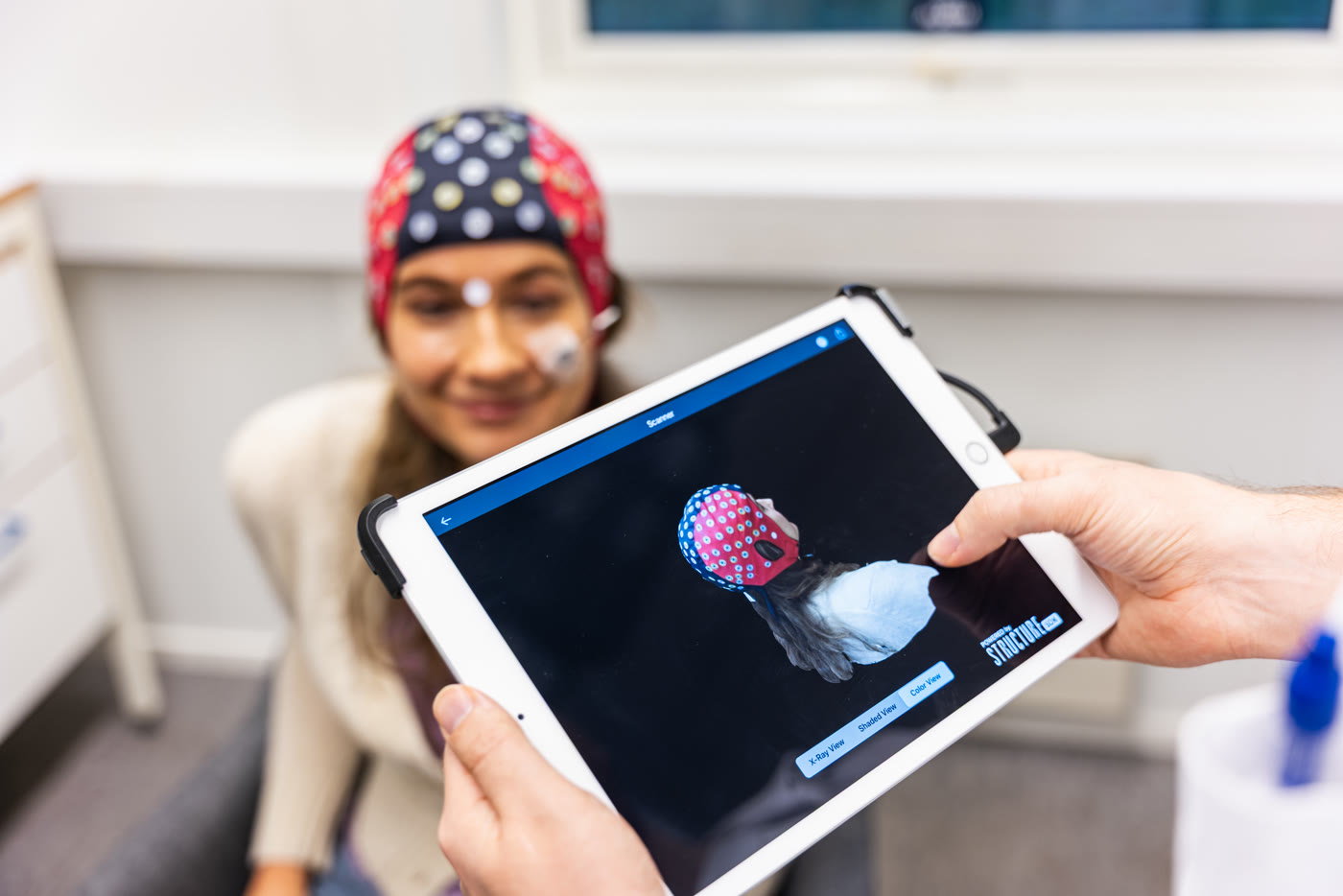
The AI-Mind Connector analyzes patterns in the brain’s electrical activity to identify individuals at increased risk.
A second tool uses cognitive tests and biomarkers to predict progression risk over two to five years.
Why this is important: Early identification could enable lifestyle interventions that may delay dementia’s onset. The tools, which require regulatory approval expected by 2035, are designed to support clinical decision-making, not replace it.
What happened: Precision psychiatry aims to personalize mental healthcare by integrating biological data, AI, and environmental information. The approach seeks to move beyond symptom-based diagnoses to select more targeted, effective treatments.
Key points:
Researchers are studying biomarkers like brain scans, blood proteins, and genetic markers to predict individual treatment response.
The most established genetic tool used in psychiatry tests for CYP2D6 and CYP2C19 genes to guide medication dosing.
Why this is important: This approach could shift mental healthcare toward a model based on disease biology, similar to personalized cancer care. However, most biomarkers remain investigational and require validation in larger, diverse studies.
What happened: A viewpoint paper by Noom’s CEO proposes using digital companion apps to build habits in patients on GLP-1 medications, arguing drugs alone do not ensure long-term behavioral change.
Key points:
The paper suggests GLP-1s create a "habit window" by reducing food cravings, freeing mental energy for routine-building.
Digital programs can address medication persistence, manage side effects, and teach sustainable eating and exercise skills.
Why this is important: With high GLP-1 discontinuation rates, pairing them with digital support could improve long-term outcomes. The author calls for randomized trials to validate the framework, citing promising observational data.
What the author argues: psychology is dangerously behind, preparing for today’s chatbots while more capable "AI agents" are emerging. She contends these agents—which can act, remember, and monitor—will soon possess more data about a client than a human therapist, challenging the profession’s unique knowledge.











Leave a Reply