News at the Intersection of Mental Health and Technology
Teens turn to AI as human mental-health care falls short
TherapyTech Daily — September 9, 2026
WEDNESDAY, SEPTEMBER 9, 2026 • A 4-MINUTE READ
TherapyTech
DAILY
News at the Intersection of Mental Health and Technology
Good morning.
Today’s edition examines teenagers’ use of chatbots for emotional support, an anonymous school-safety system handling mental-health concerns, and the investment case for expanding mental-health services.
What happened: Teenagers are increasingly turning to AI chatbots for mental health support, often in private, due to counseling shortages and the high cost of traditional therapy, according to reporting from EdSource.
Key points:
A Brown University study published in November 2025 found 1 in 8 adolescents used AI for mental health.
Unlike licensed therapists, AI chatbots are not mandated reporters, raising safety concerns if a user expresses intent to self-harm.
Why this is important: The trend highlights a significant gap in youth mental healthcare access. While AI offers a readily available resource, it also introduces risks like dependency and lacks the safety protocols of professional care.
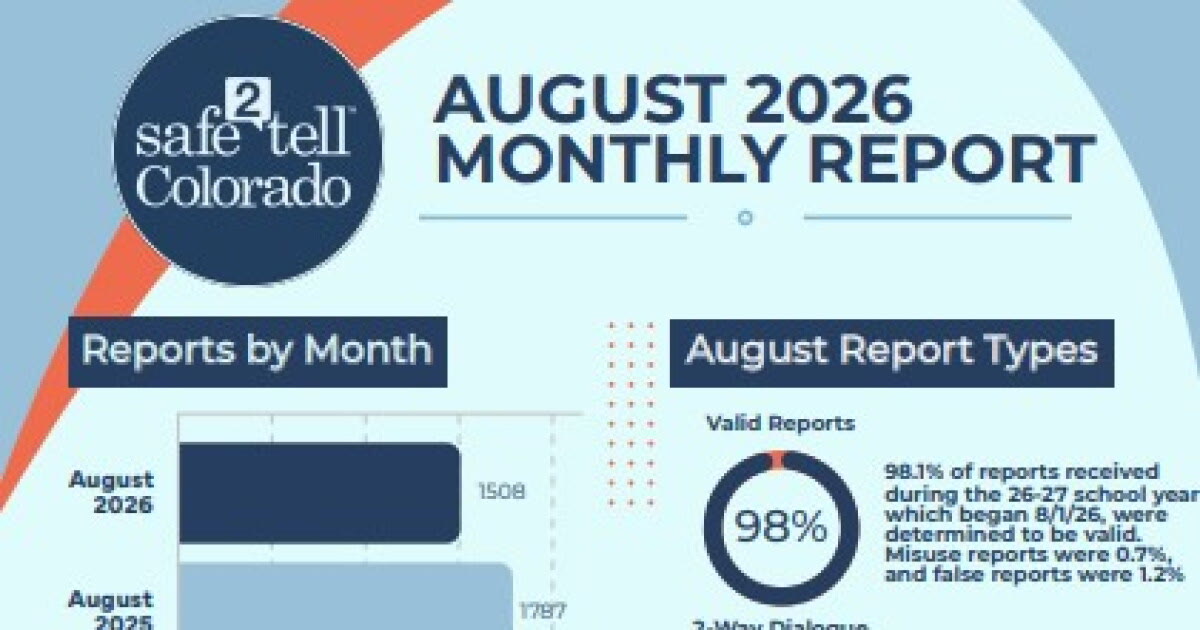
What happened: Colorado’s Safe2Tell anonymous reporting system received over 1,500 reports in August about student safety, mental health, and bullying, including a case of AI-generated harassment, according to the attorney general.
Key points:
Top report categories were school safety, mental health, and bullying, including a case involving an AI-generated explicit image.
Originally for violence prevention, the system is increasingly used to identify students experiencing mental health crises.
Why this is important: The rise in mental health reports via a safety tip line highlights a youth crisis straining school resources. The emergence of AI-driven bullying presents a new challenge for ensuring student safety.
What the author argues: mental health represents a substantial and overlooked opportunity for impact investors. Citing a massive market and diverse needs from prevention to treatment, she asserts that investors should look beyond scalable apps and consider varied financing models to address challenges like stigma and gaps in care.







Leave a Reply